
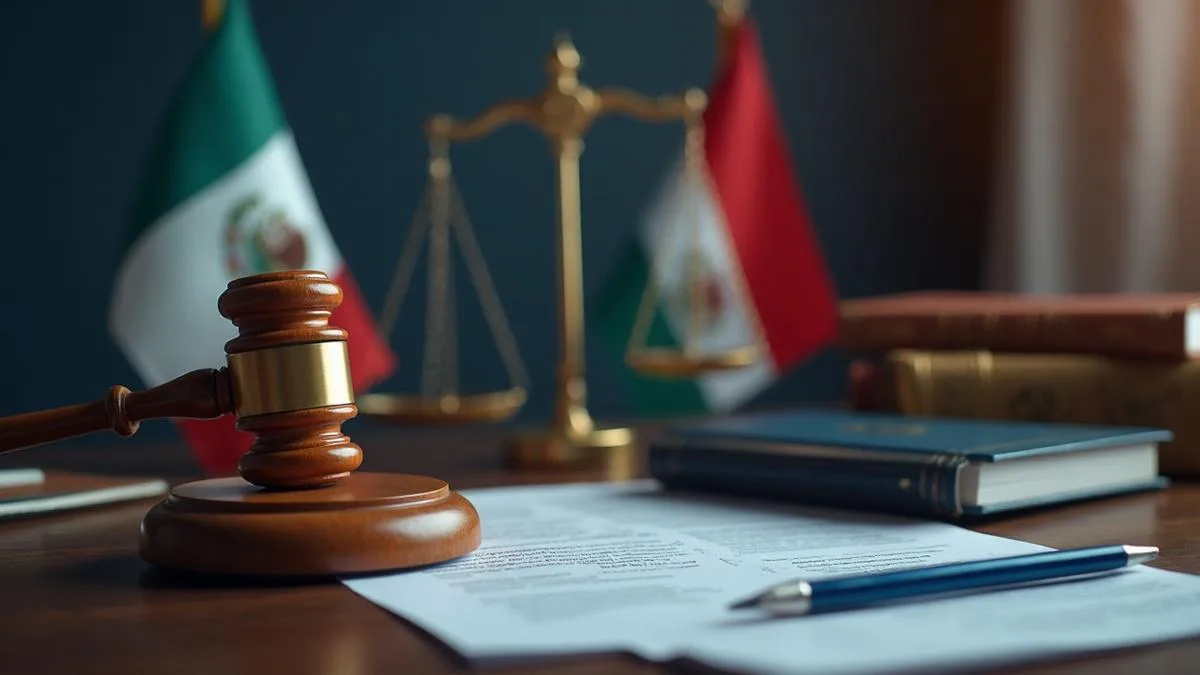
Understanding Cross-Border Business Litigation
Cross-border litigation between Mexico and the United States presents unique challenges that require specialized legal expertise in both jurisdictions. As trade and investment between these countries continue to grow, understanding how to navigate these complex legal waters becomes increasingly important for businesses operating in both markets.
Common Types of Cross-Border Disputes
Contract Disputes
International contracts often lead to disputes over:
- Breach of contract: Non-performance or inadequate performance
- Payment issues: Non-payment or delayed payment
- Quality disputes: Products or services not meeting specifications
- Delivery problems: Late or non-delivery of goods or services
Corporate Governance Conflicts
Issues arising from:
- Joint ventures: Disagreements between partners
- Shareholder disputes: Rights and obligations conflicts
- Management decisions: Strategic direction disagreements
- Profit distribution: Dividend and distribution disputes
Intellectual Property Violations
Protection challenges including:
- Trademark infringement: Unauthorized use of marks
- Patent violations: Unauthorized use of patented technology
- Copyright infringement: Unauthorized reproduction
- Trade secret misappropriation: Unauthorized disclosure or use
Jurisdictional Challenges
Determining Proper Jurisdiction
Key considerations include:
- Forum selection clauses: Where parties agreed to litigate
- Minimum contacts: Connection between defendant and forum
- Convenience factors: Location of evidence and witnesses
- Legal systems: Common law vs. civil law considerations
Recognition and Enforcement
Important aspects:
- Mexican judgments in US courts: Requirements and procedures
- US judgments in Mexican courts: Recognition standards
- International treaties: Applicable conventions
- Reciprocity principles: Mutual recognition agreements
The Hague Convention
Service of Process
The Hague Service Convention provides:
- Standard procedures: For serving documents internationally
- Central authorities: Designated government entities
- Alternative methods: When traditional service isn’t possible
- Time considerations: Extended timelines for international service
Taking Evidence Abroad
The Hague Evidence Convention addresses:
- Discovery limitations: Different from US-style discovery
- Letters rogatory: Formal requests for evidence
- Deposition procedures: Cross-border testimonial evidence
- Document production: International documentary evidence
Alternative Dispute Resolution
International Arbitration
Benefits include:
- Neutrality: Neutral forum for both parties
- Enforceability: New York Convention recognition
- Expertise: Arbitrators with specialized knowledge
- Confidentiality: Private proceedings
- Finality: Limited grounds for appeal
Mediation
Advantages of mediation:
- Cost-effective: Lower costs than litigation or arbitration
- Flexible: Creative solutions possible
- Relationship preservation: Less adversarial
- Speed: Faster resolution than court proceedings
Pre-Litigation Strategies
Due Diligence
Before filing suit, consider:
- Asset investigation: Locating defendant’s assets
- Financial analysis: Ability to pay judgment
- Document review: Strength of your case
- Jurisdiction analysis: Best forum for your claim
Demand Letters and Negotiations
Initial steps should include:
- Formal demand: Clear statement of claims
- Documentation: Supporting evidence
- Settlement proposals: Reasonable resolution terms
- Deadline: Time limit for response
Choice of Law Considerations
Governing Law Clauses
Contract provisions specifying:
- Which country’s law applies: Mexican or US law
- Which state’s law: If US law, which state
- Conflict of laws: Principles when not specified
- Public policy exceptions: Limitations on choice
Lex Fori vs. Lex Causae
Understanding:
- Procedural law: Law of the forum (lex fori)
- Substantive law: Law governing the dispute (lex causae)
- Mixed questions: Where procedure and substance overlap
Discovery Differences
US-Style Discovery
Characteristics include:
- Broad scope: Wide-ranging information requests
- Depositions: Oral examinations under oath
- Document requests: Extensive production requirements
- Interrogatories: Written questions requiring answers
Mexican Discovery
Key differences:
- Limited scope: More restricted discovery
- Judicial control: Court-supervised evidence gathering
- Formality: Strict procedural requirements
- Documentary focus: Emphasis on written evidence
Evidence Considerations
Admissibility Standards
Different requirements for:
- Authentication: Proving document genuineness
- Translation: Certified translations required
- Notarization: Apostille requirements
- Expert testimony: Qualification standards
Electronic Evidence
Special considerations:
- Data preservation: Litigation hold obligations
- E-discovery: Electronic document production
- Metadata: Technical information preservation
- Cloud storage: Cross-border data issues
Enforcement of Judgments
In the United States
Requirements include:
- Final judgment: No pending appeals
- Due process: Proper notice and opportunity to defend
- Jurisdiction: Proper jurisdiction in original court
- Public policy: Not contrary to US public policy
In Mexico
Mexican courts consider:
- Reciprocity: Whether Mexico judgments are recognized in US
- Finality: Whether judgment is final
- Due process: Whether defendant had opportunity to defend
- Public policy: Consistency with Mexican law
Cost Considerations
Litigation Expenses
Budget for:
- Attorney fees: In both jurisdictions
- Translation costs: Document and testimony translation
- Expert witnesses: Technical and legal experts
- Travel expenses: Cross-border meetings and hearings
- Court costs: Filing fees and other court expenses
Fee Arrangements
Options include:
- Hourly rates: Traditional billing
- Contingency fees: Where permitted
- Hybrid arrangements: Combination structures
- Alternative fee arrangements: Fixed fees or success bonuses
Time Considerations
Litigation Timelines
Expect longer periods for:
- Service of process: International service takes time
- Discovery: Cross-border discovery is complex
- Translation: Documents require translation time
- Appeals: Multiple levels in each country
- Enforcement: Additional time to collect judgment
Strategic Considerations
Forum Shopping
Evaluate which forum offers:
- Favorable law: Better legal framework
- Convenience: Access to evidence and witnesses
- Speed: Faster resolution
- Enforcement: Easier judgment enforcement
Settlement Timing
Consider settling:
- Early: Before significant costs incurred
- During discovery: After learning opponent’s case
- Before trial: Avoiding trial uncertainty
- Structured settlements: Payment over time
Working with Legal Counsel
Dual Representation
Benefits of having:
- US counsel: Expert in US law and procedures
- Mexican counsel: Expert in Mexican law and procedures
- Coordination: Seamless communication between teams
- Local knowledge: Understanding of local practices
Communication Strategy
Ensure:
- Regular updates: Frequent case status reports
- Clear expectations: Understood timelines and costs
- Document management: Organized evidence and filings
- Decision-making: Clear authority and approval processes
Conclusion
Cross-border litigation between Mexico and the United States requires careful planning, significant resources, and experienced legal counsel in both jurisdictions. Understanding the legal, procedural, and practical challenges can help businesses make informed decisions about pursuing or defending international disputes.
Whether you’re considering filing a lawsuit, defending against one, or exploring settlement options, early consultation with experienced cross-border litigation attorneys is essential to protecting your interests and maximizing your chances of a favorable outcome.